
Sod Installation
Best Value installs new sod lawns across Thornton and Adams County, and the lawn lives or dies on what goes under it, not the roll on top. We strip the old grass, till 3 to 4 inches of compost into the bentonite-heavy clay, laser-grade the lot to drain away from the house, then lay cool-season bluegrass or fescue cut within 24 hours. Family-run, licensed and insured, and the quote you sign is the price you pay.
Sod isn't a magic carpet, and any honest crew will tell you that. Rolled onto un-amended Front Range clay with a garden hose and a prayer, it browns out by August. Rolled onto tilled, amended, graded soil and watered on the district schedule, it knits down and holds. The difference is the prep, and the prep is where we spend the labor.
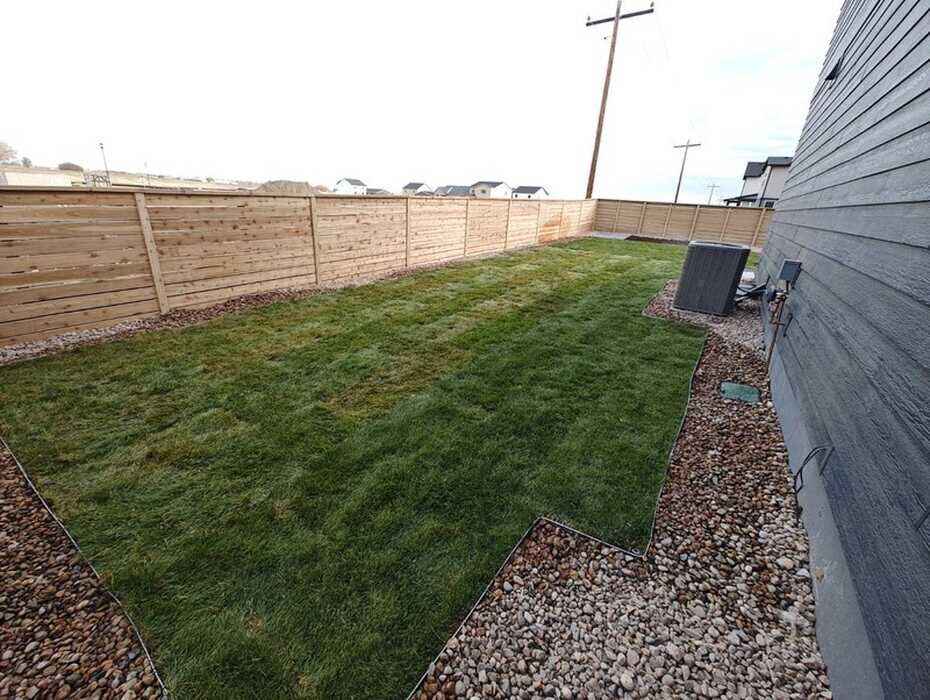
Sod Installation in Thornton & Adams County
A new sod lawn in Thornton takes us 1 to 2 days on most residential lots, and the roll going down is the fast part. The work that makes it last happens before the first strip is laid. We strip the old lawn and weeds, till 3 to 4 inches of compost into the top layer of our bentonite-heavy clay so the roots have something to grow into besides shrink-swell hardpan, and grade the lot to fall a minimum of 6 inches over the first 10 feet away from the foundation so snowmelt drains off instead of pooling on the crown. Then the sod goes down within 24 hours of being cut at the farm, seams tight and staggered like brickwork, rolled to press the roots into the soil, and watered in the same afternoon.
Why compost comes before the roll goes down
Un-amended bentonite clay across Adams County swells when wet and shrinks hard when dry. Sod roots can't chase water down through that, so a lawn laid straight on native clay starves at the surface. The 3 to 4 inches of tilled compost is what gives the roots a zone to establish in before they hit the clay. We've laid new lawns across Trail Winds and Hunters Glen and re-sodded winter-killed front yards throughout 80229, 80233, 80241, 80260, 80602, and 80640. If your HOA needs a plan before you break ground, we build the drawing they ask for. Talk through your grade and drainage with the owner before you commit. Call (303) 915-8649 and we'll walk the lot with you.
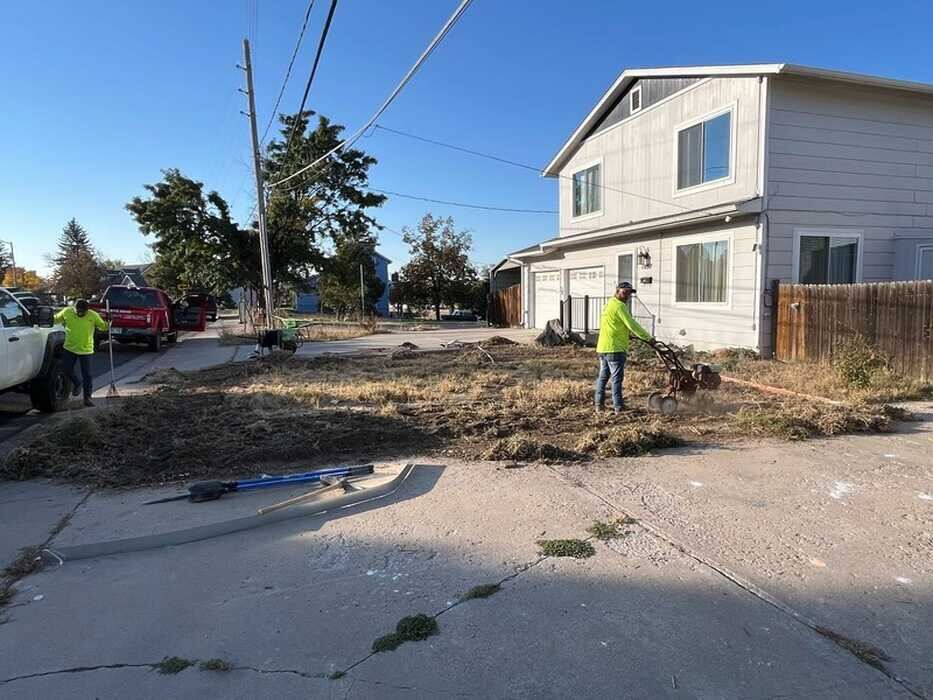
Sod vs. seed on the Front Range
Both grow a lawn here, and we'll tell you straight which one fits your lot. Sod gives you a finished lawn the day we leave and holds soil on a slope immediately, which matters on Adams County clay that erodes fast on bare grade. Choose sod when you want the lawn now, you're holding a slope, you've got kids or dogs about to use the yard, or you're re-doing a front yard where bare dirt and erosion aren't an option. When the lawn is only one piece of a ground-up yard redesign with grading, beds and edging, we sequence the sod last so it drops onto finished grade instead of getting trampled during the rest of the build. Seed costs less up front but takes a full season to fill in, and on the Front Range the establishment window is narrow. Choose seed when budget is the driver, the area is large and flat, and you can protect bare soil and baby it through a full establishment season without heavy traffic.
Rolled firm, then laid within 24 hours of cut
A light roll firms the amended soil so the sod sits flat with no air pockets underneath, because air gaps under sod are dead patches waiting to happen. Then it's fresh sod, tight staggered seams, rolled to press roots to soil, and watered in the same day it goes down. If a crew quotes you sod with no soil amendment and no grading on Adams County clay, they're quoting a lawn that looks great for six weeks and thins out by the next summer. The prep is the job. A properly amended and graded base also sets up your sprinklers to actually reach the roots, which is why we time sod around irrigation coverage.
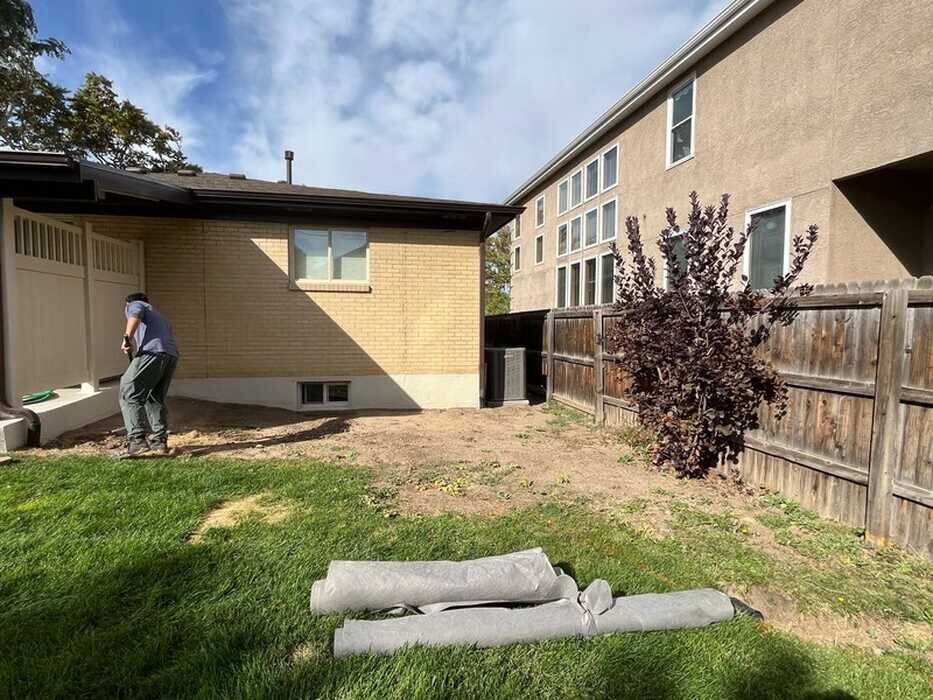
Cool-season blends: bluegrass and fescue for Colorado
Thornton is cool-season grass country, and the two blends that hold up here are Kentucky bluegrass and turf-type tall fescue. Which one we recommend depends on your yard, not on what the farm has extra of. Kentucky bluegrass is the classic Front Range lawn: fine texture, deep green, and it self-repairs from rhizomes, so it fills small bare spots on its own, though it wants full sun and consistent water. Turf-type tall fescue is deeper-rooted and more drought and shade tolerant than bluegrass, and it takes traffic well, which makes it the better call for dog runs, part-shade yards, and lower-water lawns. We lay blended sod rather than a single cultivar so disease or a rough winter doesn't take out the whole lawn at once.
When sod is the wrong call
We'll tell you when to hold off. Don't lay sod in the dead of a Colorado summer if you can wait: mid-July heat cooks fresh sod faster than any watering schedule can keep up, and the establishment odds drop hard. Spring and early fall are the windows we push for. Don't sod a deep-shade side yard where grass has never grown, because it won't grow as sod either, and mulch, rock, or a shade-tolerant ground cover is the honest fix there. A dog run is the other case where real sod loses: a dog pacing the same track will wear bluegrass to mud no matter how well it's rooted, and artificial turf over a draining base with antimicrobial infill is the fix we install for that instead. And if your existing lawn is only thin and patchy, not dead, that's often an aeration, overseed, and fertilizer season, not a full tear-out and re-sod, and we'll say so on-site instead of selling you a new lawn you don't need.
Sod install spec
What goes under and into the lawn, called out by name on every estimate. No vague material lines.
How a sod installation project actually runs
Owner walk & written scope
The owner walks the property, measures, and asks what isn't working. You get a written scope with material specs by name — no allowance line items.
Design & selections
Layouts, material samples, and finish options reviewed in your space. Included in the project, not billed separately.
Permits & site prep
We pull the permit when one is required, protect existing surfaces, and prep the site. Surprises documented in writing before any change order.
Build with one crew
Same crew start to finish. Daily clean-up, dust control where needed, and a foreman you can text directly.
Walk-through & punch list
Written punch list signed by you. We don't take final payment until you sign off the walkthrough.
Ready to start your project?
Get a free sod installation estimateWhat moves the price on a sod lawn
Sod is priced per square foot, but the real drivers are the prep under it, not the roll on top.
- $Soil prep & grading
Stripping an old lawn, tilling in compost, and re-grading a poorly draining lot is the bulk of the labor and the reason a lawn lasts.
- $Lawn size & access
Larger areas drop the per-foot price; tight backyard-only access without equipment room adds hand-labor.
- $Sod blend
Standard bluegrass vs. premium fescue blends span a modest range; the bigger cost swing is always the prep.
- $Old-lawn tear-out
Removing and hauling off dead turf and debris adds skid-steer time and dump fees over bare-dirt starts.
- $Irrigation coverage
New sod needs full coverage; adding or adjusting heads so the lawn actually gets water is worth quoting alongside.
Owner walks every sod estimate. Written, fixed price: the quote you sign is the price you pay.
How to water new sod on the Front Range
New sod on the Front Range needs far more water than a mature lawn, and the schedule changes as it roots in. For the first 7 to 10 days we keep the sod and the soil beneath it consistently damp, which usually means short cycles two to three times a day in the summer heat so the top inch never dries out and the roots don't fry before they reach down. Peel back a corner: if the soil under it is dry, it needs more water. Colorado watering restrictions and each district's odd/even day window matter here, so we set the establishment schedule to your specific district when we finish the install rather than leaving you guessing.
Around week two, once the sod is knitting to the soil and you can't lift a corner easily, we back the frequency off and push the duration up, watering deeper and less often so roots chase the moisture down into the amended layer. By week four the lawn should be on a normal deep-and-infrequent schedule. Mow only after the sod is firmly rooted, keep the first cut high, and never scalp a new lawn. This is also why we insist on tying sod to irrigation coverage up front: a lawn on a system that can't reach the far corners will die in those corners no matter how careful the schedule is.
Get a free sod installation estimateRecent sod installation projects
Real homes, real scope, real craftsmanship — a snapshot of work delivered across the Denver metro.
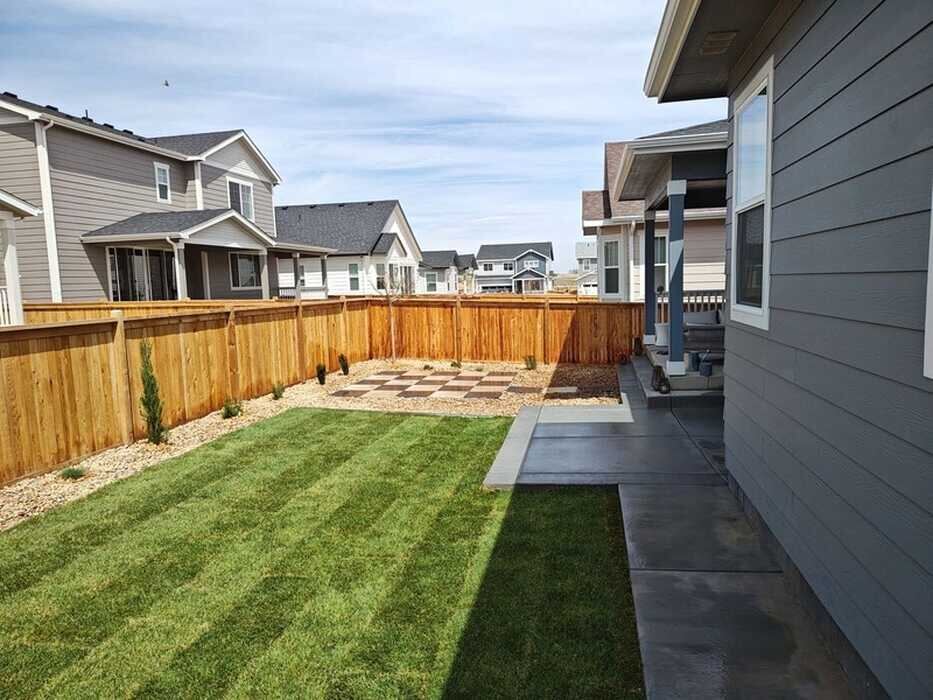
Sod Installation across the Denver metro
Frequently Asked Questions
How do I water new sod in Colorado?+
Keep it consistently damp for the first 7 to 10 days, which in Front Range summer heat usually means short cycles two to three times a day so the top inch never dries out. Peel back a corner to check the soil under it. Around week two, back the frequency off and water deeper and less often so roots grow down into the amended soil. By week four it should be on a normal deep-and-infrequent schedule. We set the establishment schedule to your watering district's odd/even day window when we finish, so you're not guessing against Colorado's restrictions.
When is the best time to lay sod in Colorado?+
Spring (April through May) and early fall (September through October) are the windows we push for. The soil is warm enough for roots to establish but the air isn't cooking the sod. We avoid the dead of a Colorado summer when we can, because mid-July heat cooks fresh sod faster than any watering schedule keeps up. Sod can technically go down any time the ground isn't frozen, but establishment odds are far better in the shoulder seasons.
Sod or seed for my Front Range yard?+
Sod gives you a finished lawn the day we leave and holds soil on a slope immediately, which matters on Adams County clay that erodes fast on bare grade. Seed costs less up front but takes a full season to fill in and has a narrow germination window here. We usually steer you to sod if the lot has any grade to it or you need the yard usable soon, and we'll tell you honestly when seed is the smarter spend.
Do I really need soil prep before sod?+
On our bentonite-heavy Adams County clay, yes. Sod rolled straight onto un-amended clay can't root down through the shrink-swell hardpan, so it starves at the surface and thins out by the next summer. We till 3 to 4 inches of compost into the top layer and grade the lot to drain before any sod goes down. The prep is the half of the job that decides whether the lawn lasts.
Which grass blend do you install?+
Cool-season blends built for the Front Range: Kentucky bluegrass for a fine-textured, self-repairing full-sun lawn, or turf-type tall fescue for deeper roots, more drought and shade tolerance, and better traffic resistance for dog runs and part-shade yards. We lay blended sod rather than a single cultivar so one disease or rough winter doesn't take out the whole lawn.
Will my new sod survive the first year?+
No honest crew can guarantee that on the Front Range. Chinook winds, a brutal August, a missed watering week, or a hard early freeze all happen here. What we control is the prep and the install: amended soil, correct grade, fresh sod laid tight, and a watering plan set to your district. Do those right and the odds are heavily in your favor, but we won't promise a guaranteed lawn.
We Also Serve
Get a free sod installation estimate
One foreman, one written price, one schedule. Free on-site estimate from the owner.